
CASE STUDYBringing Change to Optum
I aligned and evolved a legacy B2B system to enterprise standards using tokens and Figma Variables, boosting adoption, accessibility, and delivery speed without impacting product timelines.
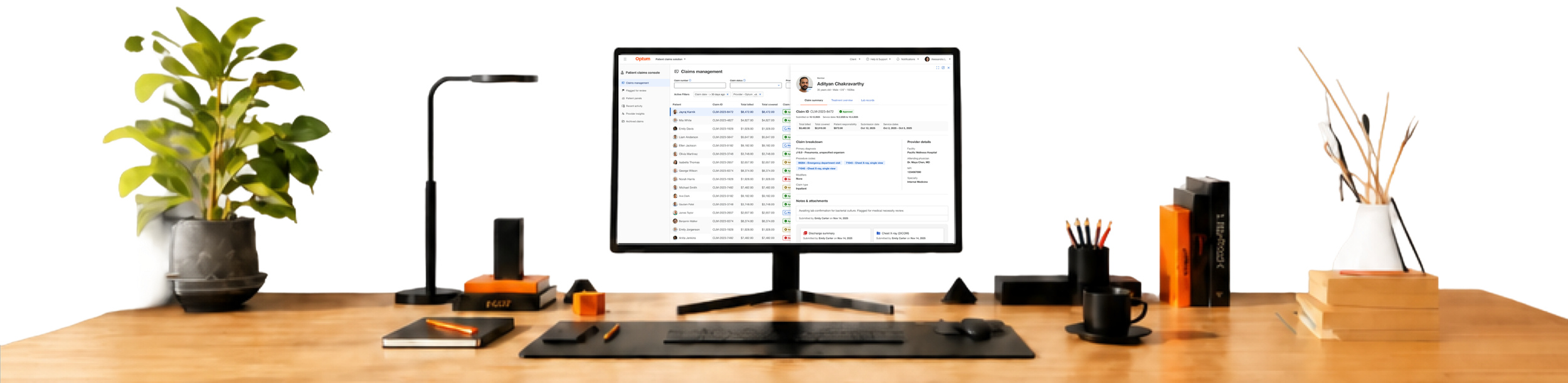
Overview
BACKGROUND
For several years, I owned and evolved Change Healthcare’s mature B2B design system supporting complex clinical and operational workflows known internally as UICL. After Optum acquired Change Healthcare, our products needed to integrate into a much larger enterprise ecosystem with its own design systems, brand architecture, and governance model. The acquisition created the need for a full rebrand, and Optum’s enterprise scale shaped how that rebrand needed to be executed so UICL could function within a larger, multi‑system ecosystem.
ROLE
Principle Product Designer - Design Systems
SCOPE
50+ components, 12+ teams, 30+ products.
TEAM
1 engineer, brand team, Design Standards team
TOOLS
Figma, Tokens Studio, JIRA, Github, Airtable
The Challenge
Change’s legacy structure wasn’t built for enterprise‑level tokenization, multi‑brand support, or alignment with Optum’s naming conventions. Optum’s token team was still developing component‑level tokens, and their request‑based workflow didn’t match our rebrand timeline. Product teams were already mid‑delivery, so the rebrand had to be executed without disrupting active workstreams or waiting for upstream dependencies.
My Approach

ASSESS
Component Audit & Gap Analysis
I assessed UICL’s components, styles, and naming conventions against Optum’s enterprise brand and semantic token sets. This revealed where the legacy system diverged from enterprise standards and defined the scope of work required for the rebrand.
ALIGN
Enterprise Brand Alignment
I partnered with Optum’s Brand and Design Standards teams to understand their visual logic, accessibility expectations, and naming conventions. Because the enterprise brand was optimized for B2C experiences, we collaborated to extend the interaction palette to support UICL’s more complex B2B workflows and secured brand approval for those extensions.
STRATEGIZE
Preparing for Token‑Based Rebrand
With Optum’s component‑level tokens still in development, I defined an interim token strategy that aligned UICL’s palette to Optum’s semantic tokens and established naming consistency. This ensured the rebrand could progress without waiting for upstream token completion.
ADAPT
Breakthrough: Figma Variables
The introduction of Figma Variables midway through this project was a pivotal moment that shifted the trajectory of our rebrand strategy. With many teams operating on different rebranding timelines, Variable Modes enabled UICL to support both Change Healthcare and Optum branding within a single library. This shifted the strategy from multi‑library duplication to a unified, scalable architecture.