
Case Study
Bringing Change to Optum
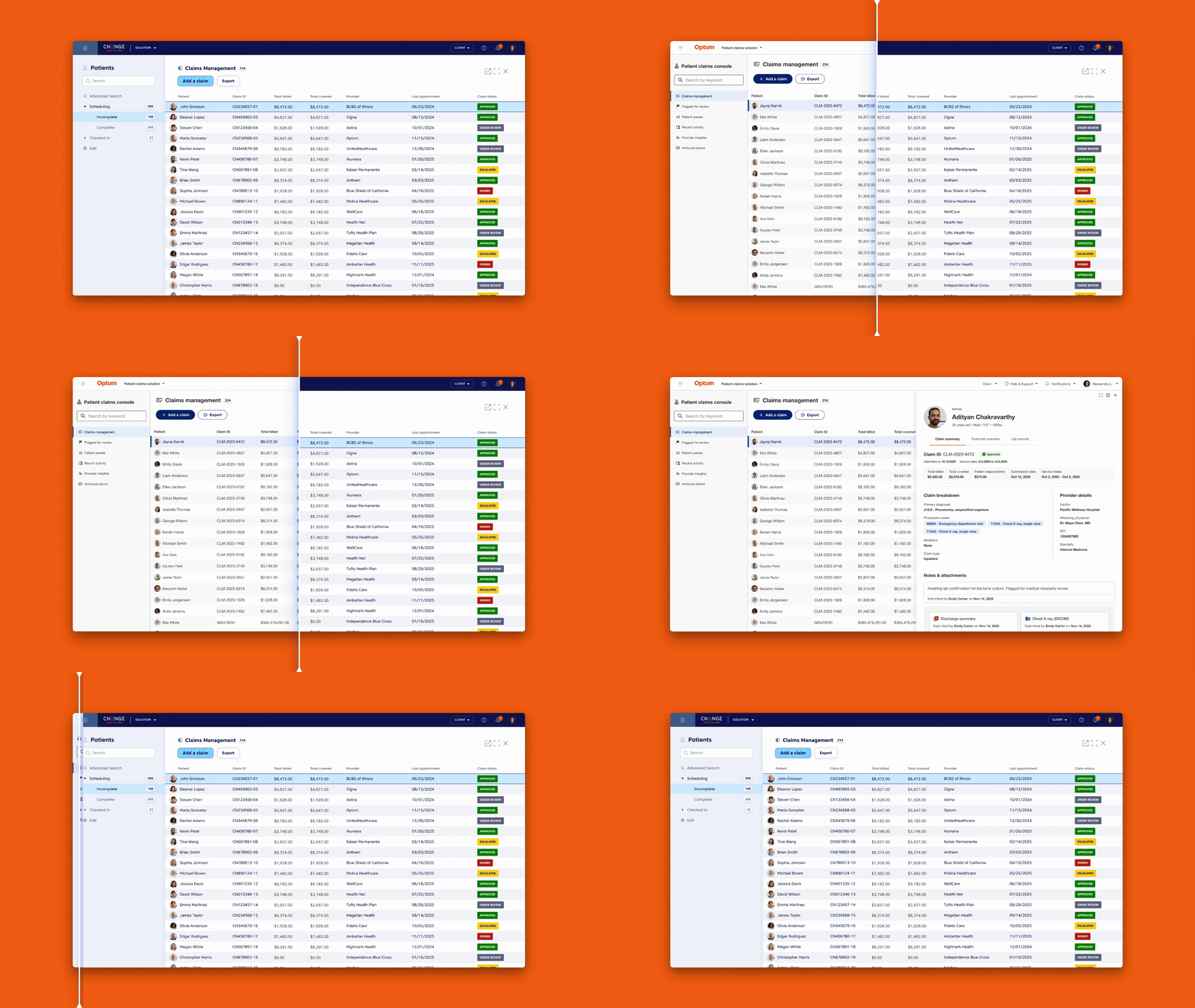
Enabled brand integration and faster speed‑to‑market by scaling Change Healthcare’s B2B system to meet Optum’s brand standards without disrupting product timelines.
Overview
Background
When Change Healthcare was acquired by Optum, our design system needed to migrate quickly into the new enterprise ecosystem and align with branding. The challenge wasn’t just technical, it was about connection: building trust with our new brand team and design systems counterparts, learning unfamiliar styles and standards, and ensuring our products felt at home in their new environment.
As the sole design systems designer, I focused on adopting tokens for the first time, aligning with new brand standards, and guiding 35 teams already using our system through staggered migrations without disruption.
Goals
Get familiar with new design system and brand standards.
Migrate our legacy system without breaking continuity.
Introduce design tokens to modernize and scale foundations.
Align all components, styles, and documentation with enterprise brand standards.
Support 35 teams, hundreds of enterprise products, and over 400 customers.
Build trust and collaboration with brand leadership and new design system counterparts.
Role
Senior product designer, leading the system rebrand and migration strategy. Owned design system direction, brand alignment, token adoption, design QA, product team mentorship and consultation, rebrand guidance and ongoing migration support.
Team
1 part-time UX designer, 1 content writer, 1 product design director, 1 developer
Duration
1 year to implement, migration ongoing
Tools
Figma, Tokens Studio (plugin), Stark (plugin), Zeroheight, Github
Laying the groundwork
Change Healthcare’s design system was robust to begin with. We had a component library boasting 50+ components, another for dozens of patterns, two paradigms that catered to different types of workflows serving dozens of teams and hundreds of users. With many product teams actively using our design system and coded components to ship products, we knew we had to ensure that the work that we were doing for the rebrand would not disrupt the workflows that were ongoing.